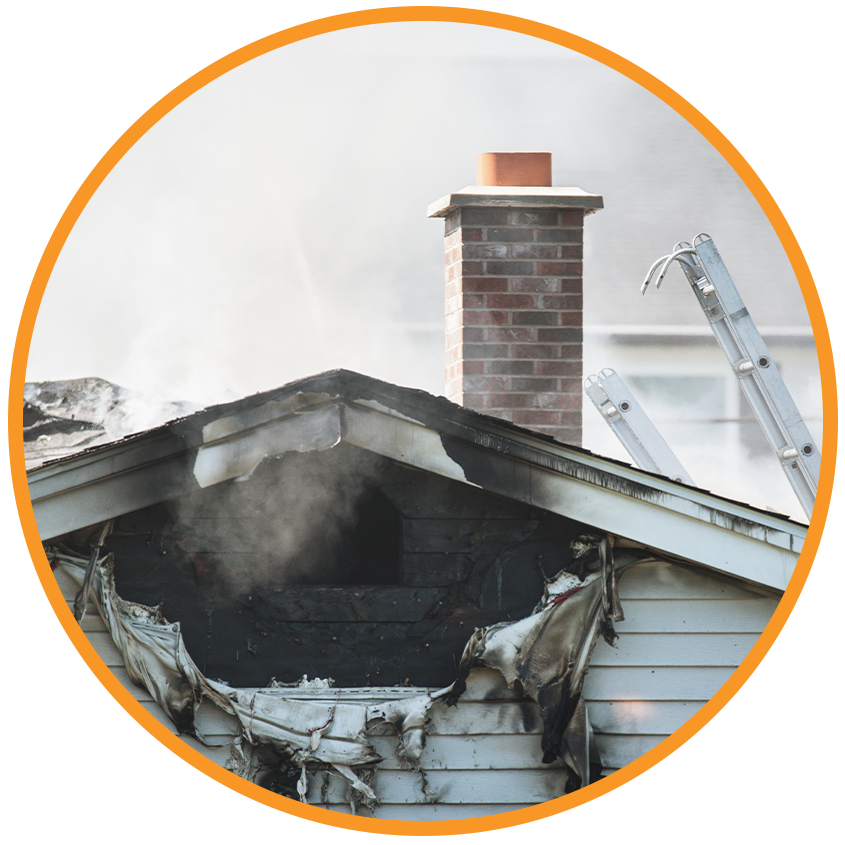
Los Angeles Restoration Rentals: Affordable Equipment for Rapid Damage Recovery

When disaster strikes in a bustling city like Los Angeles, time becomes a critical factor. Whether it’s a flash flood damaging a business or a kitchen fire disrupting a home, having access to the right restoration tools can mean the difference between a quick recovery and a prolonged shutdown. Los Angeles Restoration Rentals provide the equipment needed to restore water-, fire-, and mold-damaged properties quickly, safely, and affordably.
Southern California’s climate and infrastructure present unique restoration challenges. From hillside homes susceptible to runoff and mudslides to commercial buildings exposed to wildfires or burst pipes, restoration professionals must act quickly with efficient equipment. That’s where the city’s network of restoration rental services steps in, offering a wide range of tools for short- or long-term use.
Why Rentals Are Essential for Restoration Projects
Restoration projects are often reactive by nature. They follow unforeseen events like floods, fire outbreaks, or plumbing failures. Buying equipment for such unpredictable scenarios isn’t practical or economical for most homeowners or even many contractors. Los Angeles Restoration Rentals allow access to professional-grade tools without the upfront investment or maintenance burden.
Rentals help manage costs, increase flexibility, and ensure that users have access to the latest and most efficient technology for drying, cleaning, and decontaminating spaces. From small apartments to multi-story buildings, rental solutions can be scaled to fit the scope of the emergency.
Top Restoration Equipment Available for Rent
Restoration involves a variety of phases—drying, cleaning, air purification, and structural repair. Equipment is available for each phase and can be deployed within hours. Key equipment includes:
| Equipment | Function |
|---|---|
| Air Movers | Speeds up drying time by promoting airflow |
| Commercial Dehumidifiers | Removes moisture to prevent mold and rot |
| HEPA Air Scrubbers | Filters particles, odors, and airborne contaminants |
| Ozone Machines | Neutralizes odors from smoke, pets, or mold |
| Moisture Meters | Measures hidden moisture inside walls and floors |
| Thermal Foggers | Disperses deodorizing agents in post-fire cleanup |
| Negative Air Machines | Creates controlled environments to contain contaminants |
All of these are commonly stocked by Los Angeles Restoration Rentals providers and are available with daily, weekly, or monthly pricing models.
Common Scenarios Requiring Restoration Rentals
Los Angeles is prone to both natural and human-made incidents that can trigger restoration needs. Common situations include:
Stormwater and Flash Flooding: Sudden rain can overwhelm drainage systems, especially in older neighborhoods.
Fire Damage: Electrical fires, kitchen mishaps, or wildfires can lead to soot and smoke damage.
Mold Infestations: Leaky pipes or unventilated crawl spaces can create mold colonies.
Burst Pipes: Aging infrastructure or winter chills can cause pipe breaks in homes and businesses.
Rental equipment helps mitigate secondary damage caused by slow drying or poor air quality, allowing property owners to regain access to their spaces faster.
Benefits for Restoration Professionals and Contractors
For independent contractors and restoration companies, Los Angeles Restoration Rentals provide a scalable solution. Rather than maintaining a large inventory of machines, they can rent what they need, when they need it. This helps:
Expand services without increasing overhead
Take on larger or urgent projects with additional capacity
Provide clients with modern, well-maintained gear
Deliver results efficiently without equipment bottlenecks
This flexibility is critical in a market as fast-paced and varied as Los Angeles.
Residential and Commercial Use Cases
Whether it’s a condo in Downtown LA or a warehouse in the San Fernando Valley, restoration needs differ by property type. Rentals adapt accordingly:
For Homeowners: One or two dehumidifiers and air movers may suffice after a small leak.
For Businesses: Larger projects may require multiple scrubbers and negative air machines to meet safety and air quality standards.
For Property Managers: Post-eviction or post-fire turnover may demand fast, cost-effective cleanup before re-occupancy.
Providers in Los Angeles typically offer delivery, setup, and pickup services, making the process easy for customers across the region.
How to Choose the Right Rental Provider
Choosing the right company for Los Angeles Restoration Rentals is vital to ensure timely support and quality equipment. Look for vendors that:
Provide 24/7 emergency availability
Stock a wide range of restoration tools
Offer flexible rental terms and clear pricing
Include technical support or on-site consultation
Have positive reviews or referrals from local professionals
Some providers even bundle equipment packages for common restoration scenarios, simplifying the decision-making process during emergencies.